
How a group of 5 verticals and 32 sub-brands got one brand system that people could actually follow, and then automated.
Role: Co-director of the brand system (with the head of brand and design); author and director of the PowerPoint style guide; lead of the Templafy relaunch and document automation
Organization: ION Group
Timeframe: Nov 2020 to Sept 2023
Scope: 5 verticals, 32 sub-brands, 148 alpha-products, 1,100+ templates, 4,500+ assets
The situation
Branding complexity at ION had grown due to the increasing acquisitions and external agencies, so every business had its own look. As Impact became an internal agency, the group needed one system that people across the business could apply, plus a way to make the right choice the easy one. Example: Decks used different fonts, colors, and logo versions depending on who made them, and acquired businesses kept their old branding in client-facing documents.
What I built
1. A brand architecture and codified guidelines (co-directed)
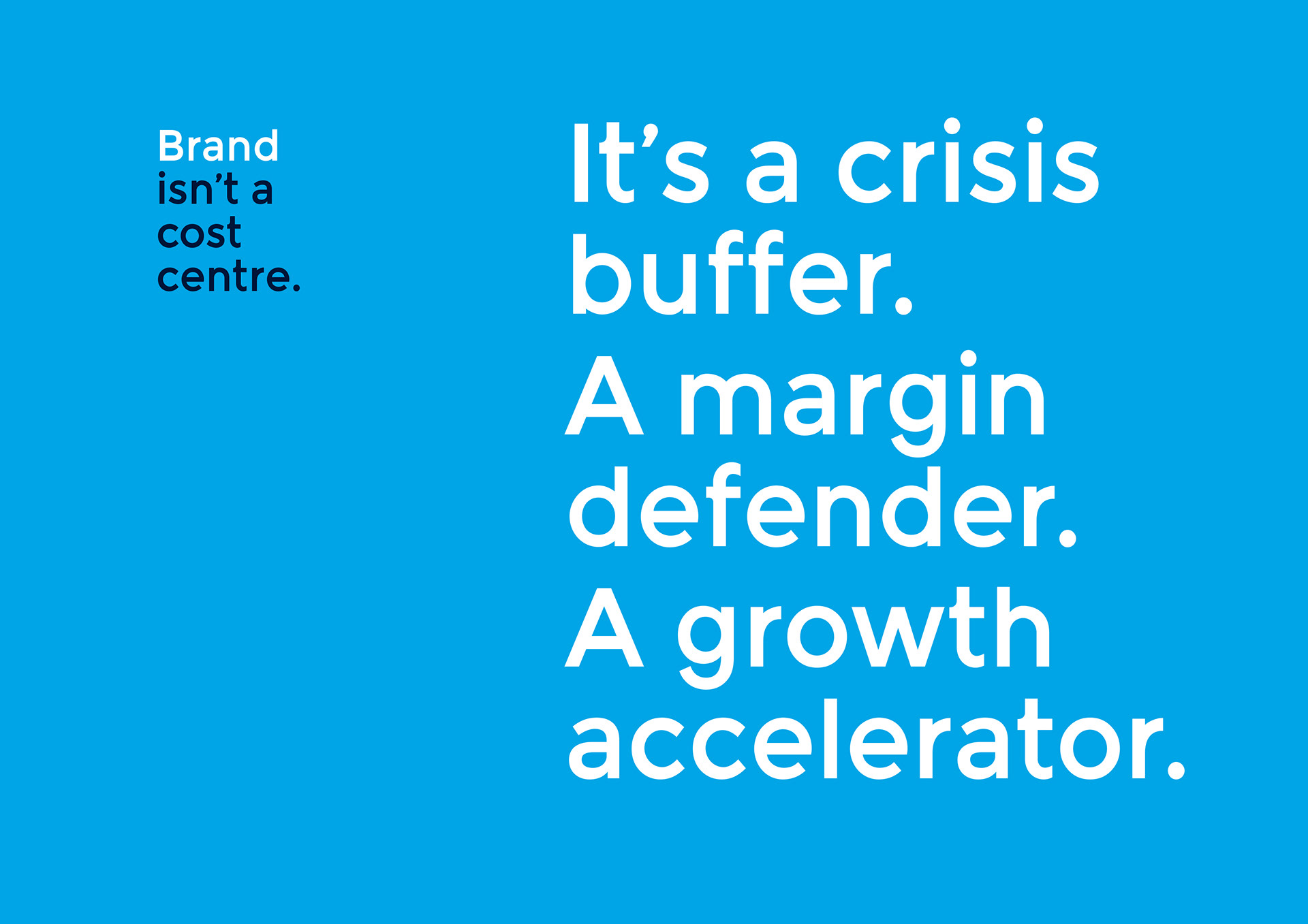
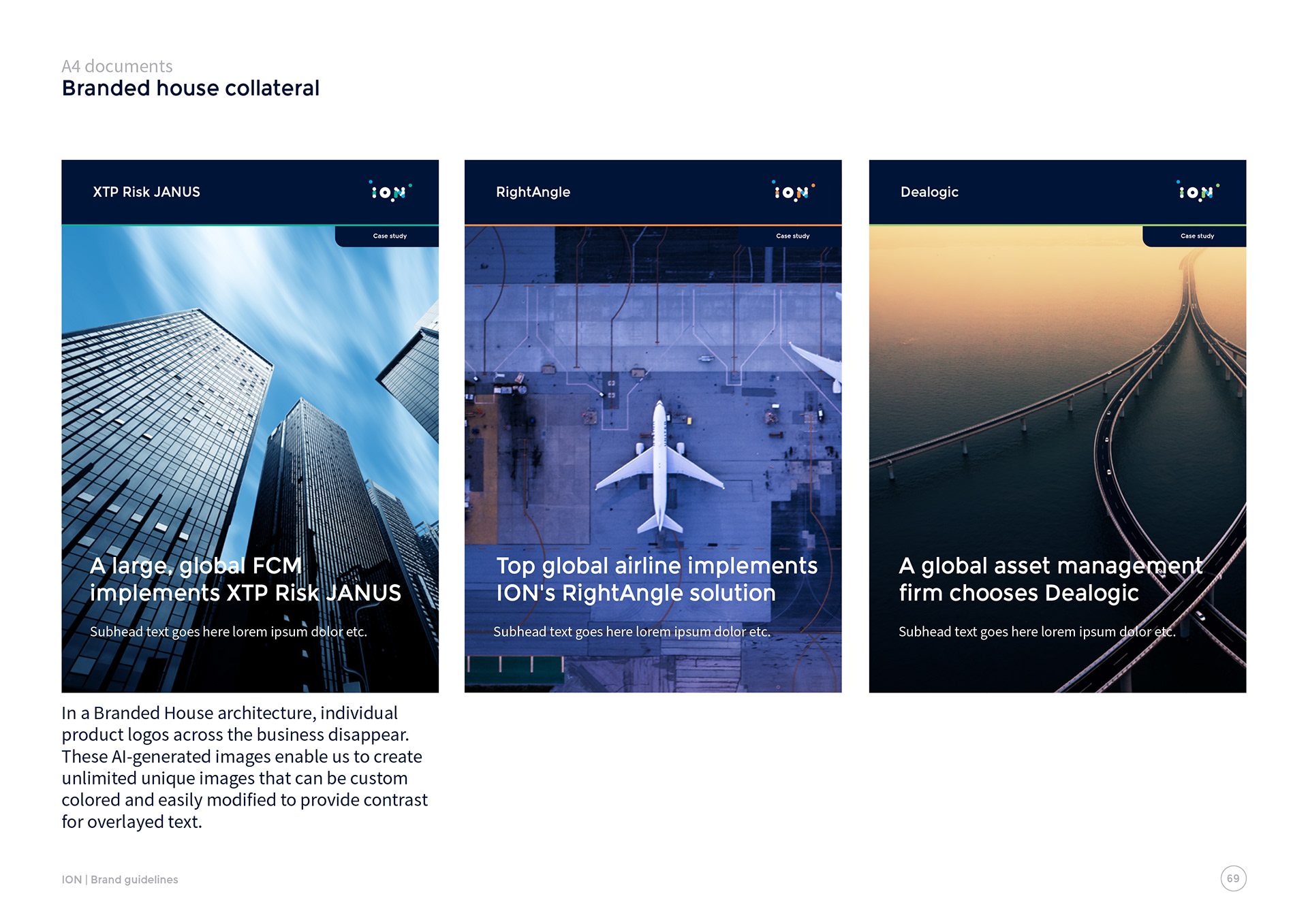
With the head of brand and marketing design, I co-directed a full codification: a "branded house" model with a dominant parent brand, plus rules for logos, color, type, photography, email, social, documents, event graphics, and PowerPoint. Our direct reports executed it.
A snippet of the work is shown below. View the full brand style guide here (password on request).
Results:
- 4 of 5 business units adopted the guidelines within 12 months.
- Off-brand requests to the design team fell by about 40%.
- Approving a new sub-brand logo or product mark dropped from several weeks to about three days.


2. A PowerPoint style guide people could follow (I authored and directed it)
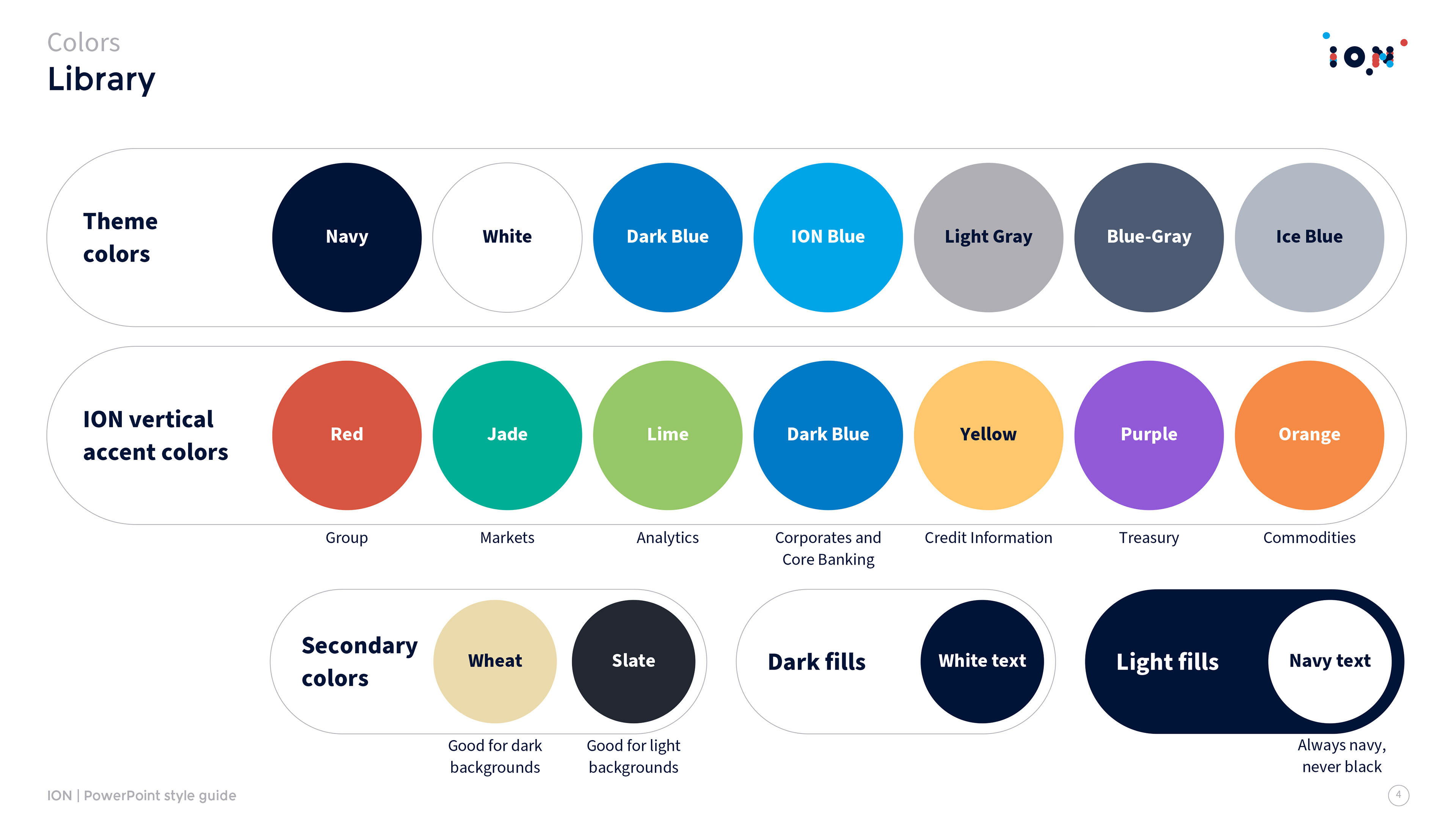
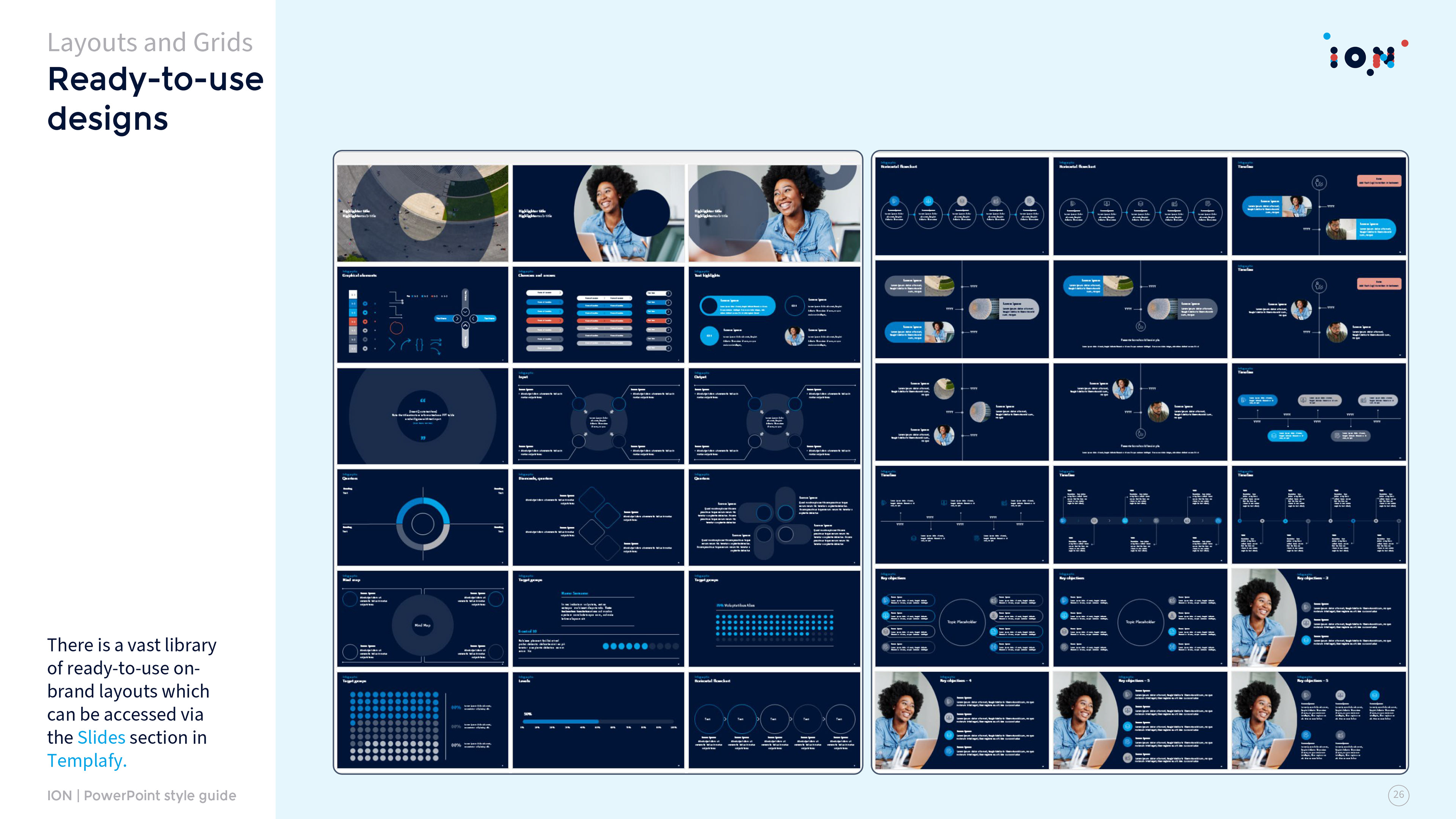
Theme colors that switch automatically between light and dark templates, table and chart standards, 16:9 layouts, and an editorial guide. One rule sums up the approach: don't shrink the font, reduce the content. To help it stick, we taught the guide to new joiners during their induction, so people learned the standards in their first week.
A snippet of the work is shown below. View the full PowerPoint style guide here (password on request).
Results:
- 84% of new decks started from the approved templates within six months.
- Response time on requests to "clean up" a deck before a meeting fell by a third.
- 2,000+ new joiners were trained on the guide through induction.


3. A modular identity for eight industries (co-directed)
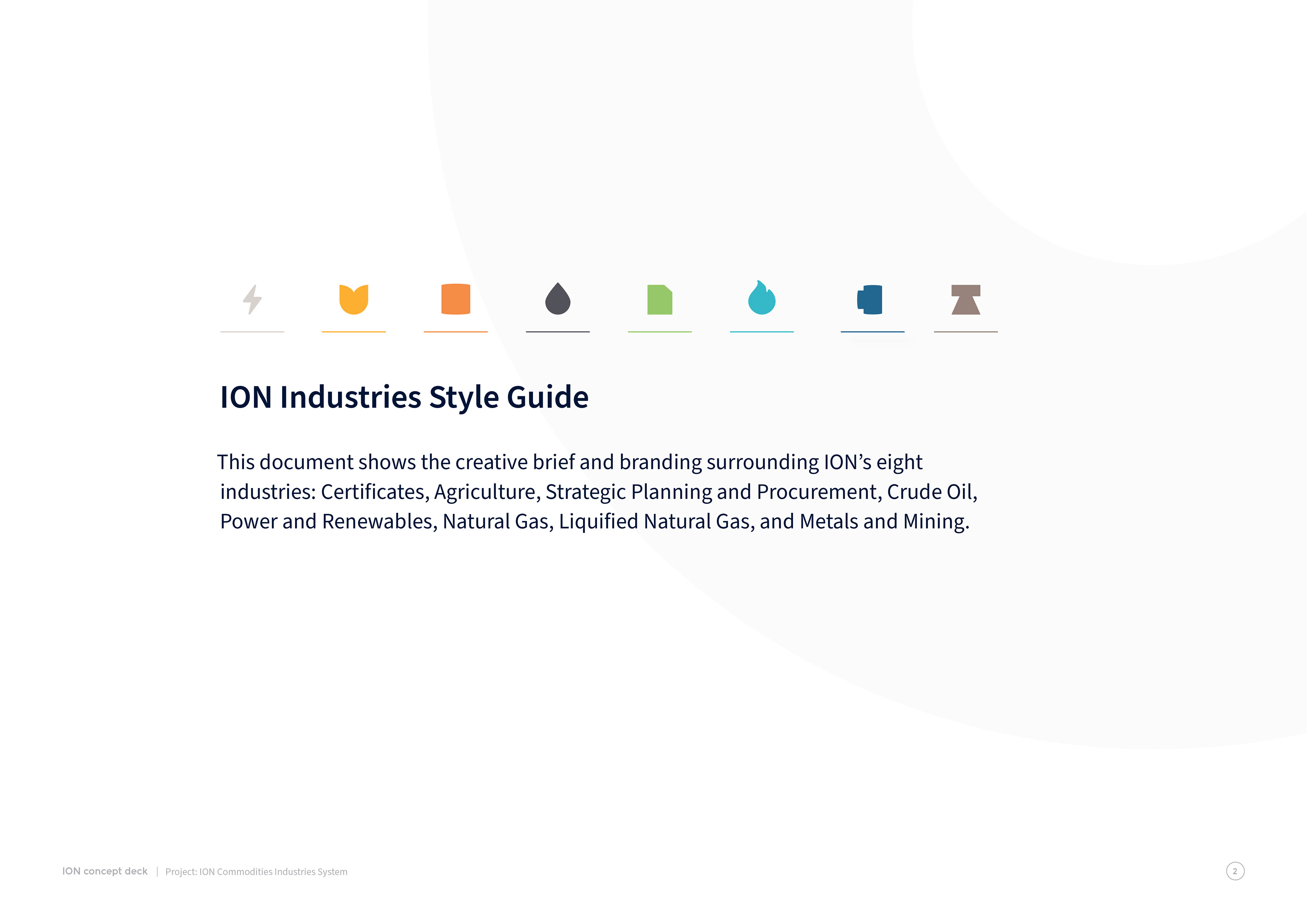
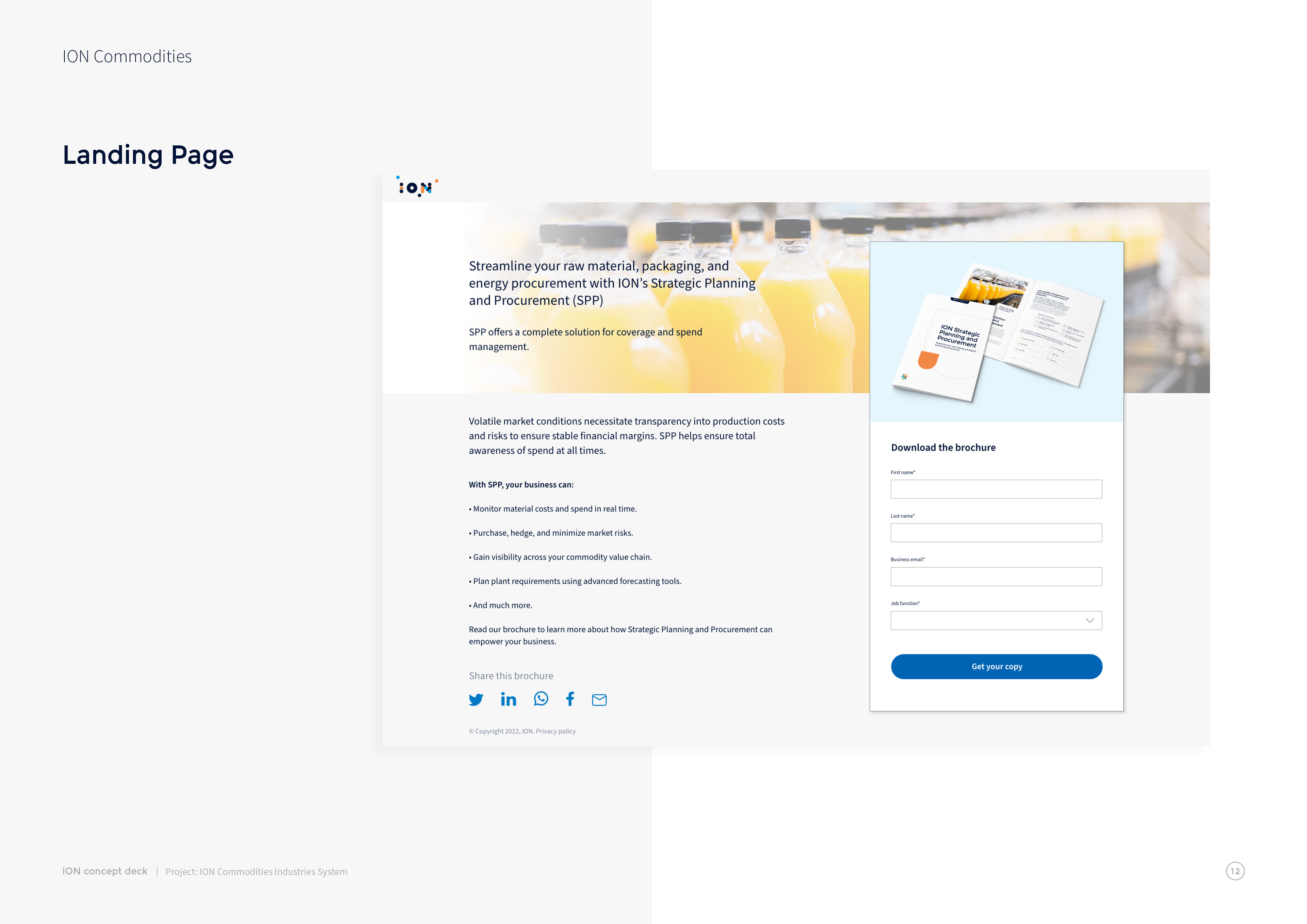
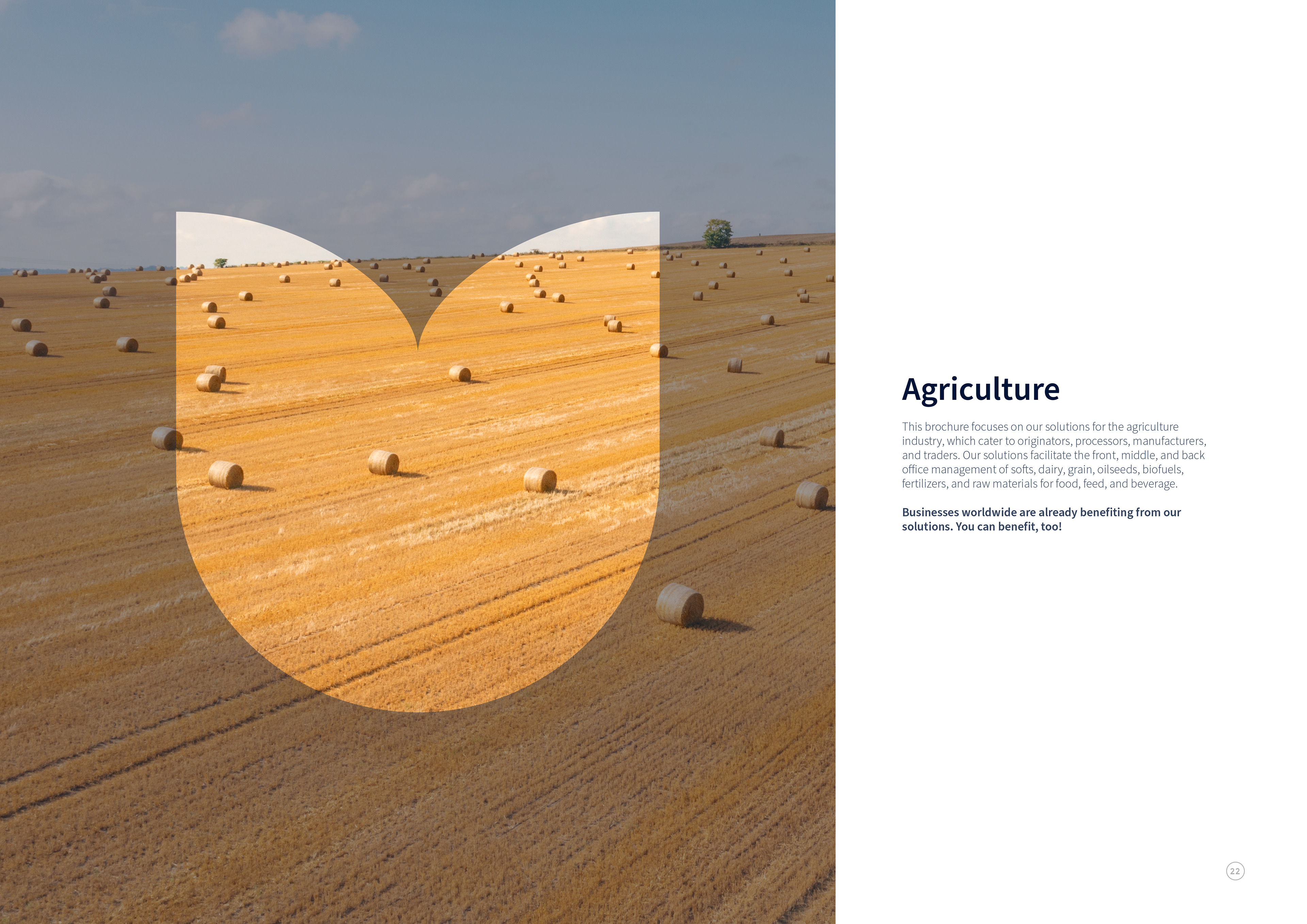
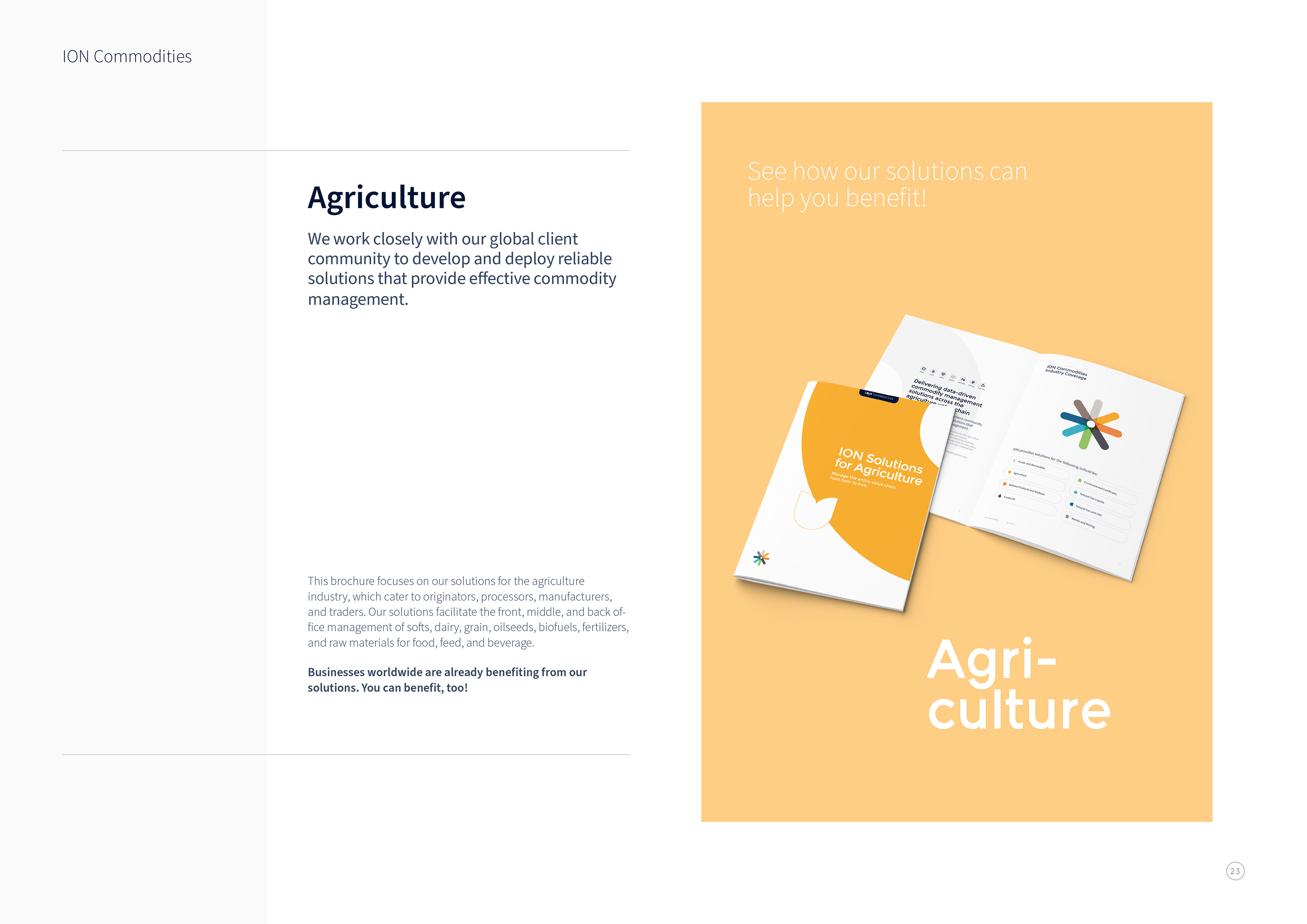
For the commodities business, all eight industries share one visual structure while each has its own color, with matching brochure, email, social, and landing page templates.
A snippet of the work is shown below. View the full Industries style guide here (password on request).
Results:
- All eight industry identities launched within one quarter.
- Producing a new industry brochure dropped from six weeks to two.
- About 70% of templates are shared across industries, so new ones start from a ready layout.


4. The Templafy relaunch and document automation
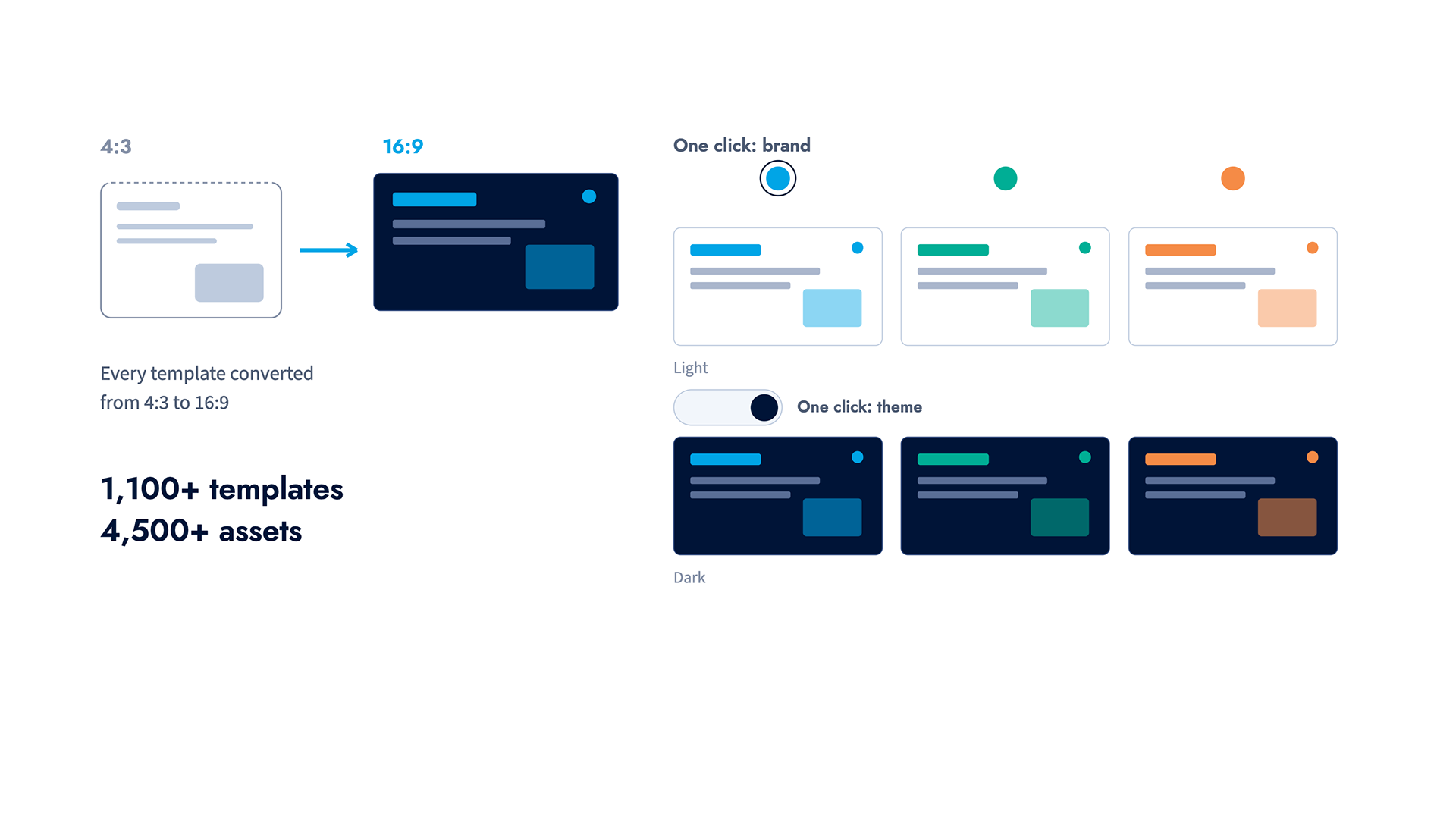
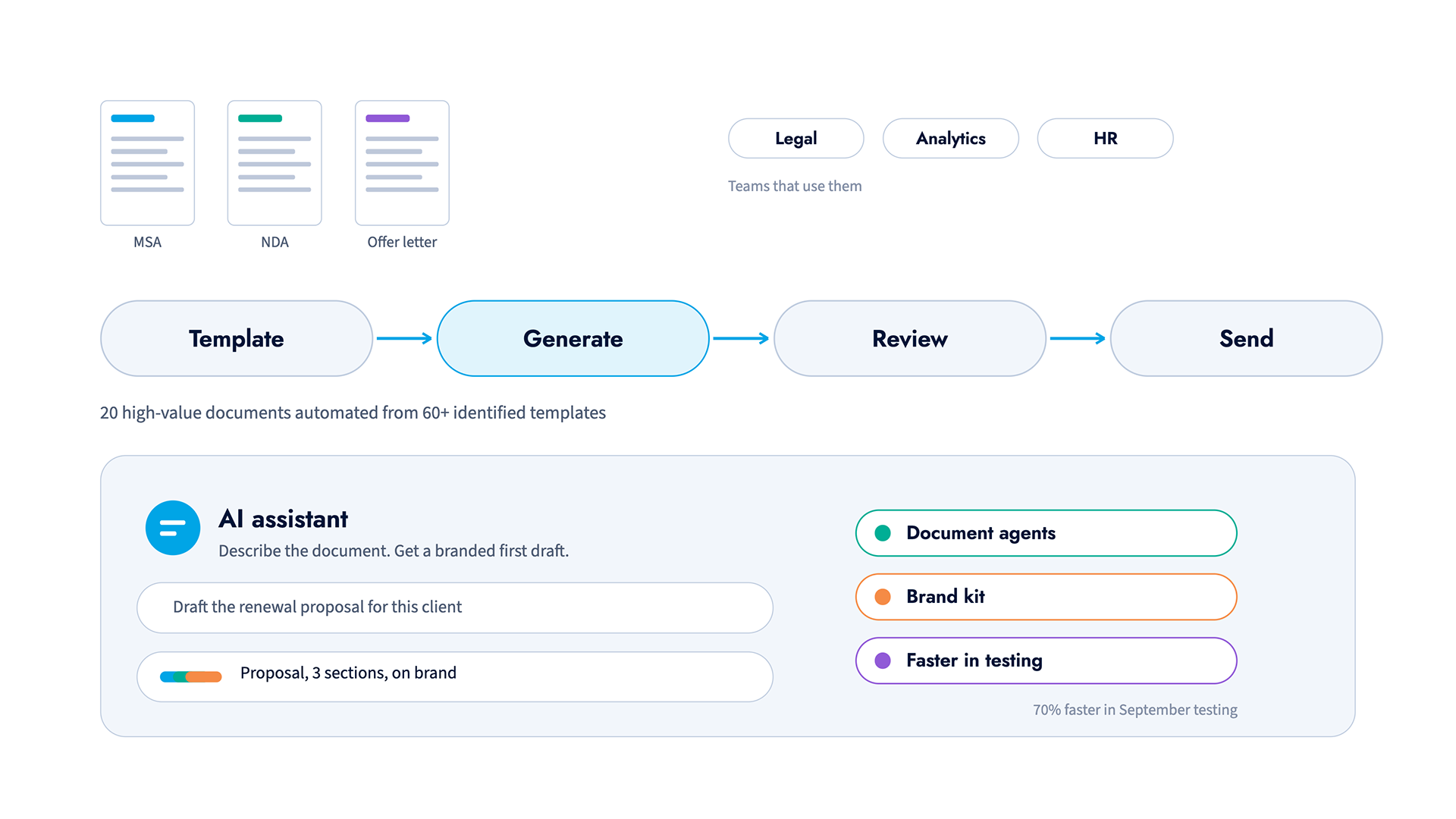
We rebuilt the template library so the whole group worked from one system, bringing five verticals, 32 sub-brands, and 148 alpha-product marks into one consistent library. Every template moved from 4:3 to 16:9, with one-click brand and theme switching. We then automated high-value documents for legal, analytics, and HR, including renewals, proposals, RFPs, and new licenses. The latest step, Templafy Hive, adds an AI assistant, document agents, and a brand kit.
Results:
- 1,100+ templates and 4,500+ assets converted to 16:9, with one-click brand and theme switching
- 4,500 monthly active users across a 12,000-person organization, from Templafy analytics
- In a user survey, 12 of 30 advanced users reported saving about 60% of their time
- 20 documents automated from a pipeline of 60+ identified templates in 2025
- Three flagship templates save about 25 (1 FTE) working days a month, based on tracked downloads and 5/5 accuracy ratings
- In testing of the new AI assistant, users built content and decks 70% faster across 34 templates
What I’d do differently
I would launch the guide with live training sessions and set adoption targets from day one. A guide only works when people know it exists, so I would also build the key rules directly into the templates, where people are working.